
SYSTEM RELATIONSHIPS
Trajectory Index
a working ship
Three systems, two journeys
Begin with a system whose consequences interest you. Propulsion changes where the vessel can go. Thermal control changes what it can do along the way. Observation changes how confidently its crew can commit. The circular index links these questions rather than presenting a row of unrelated products. Each branch leads to a complete concept page, and each concept returns to this index so you can compare the same question in a different setting.
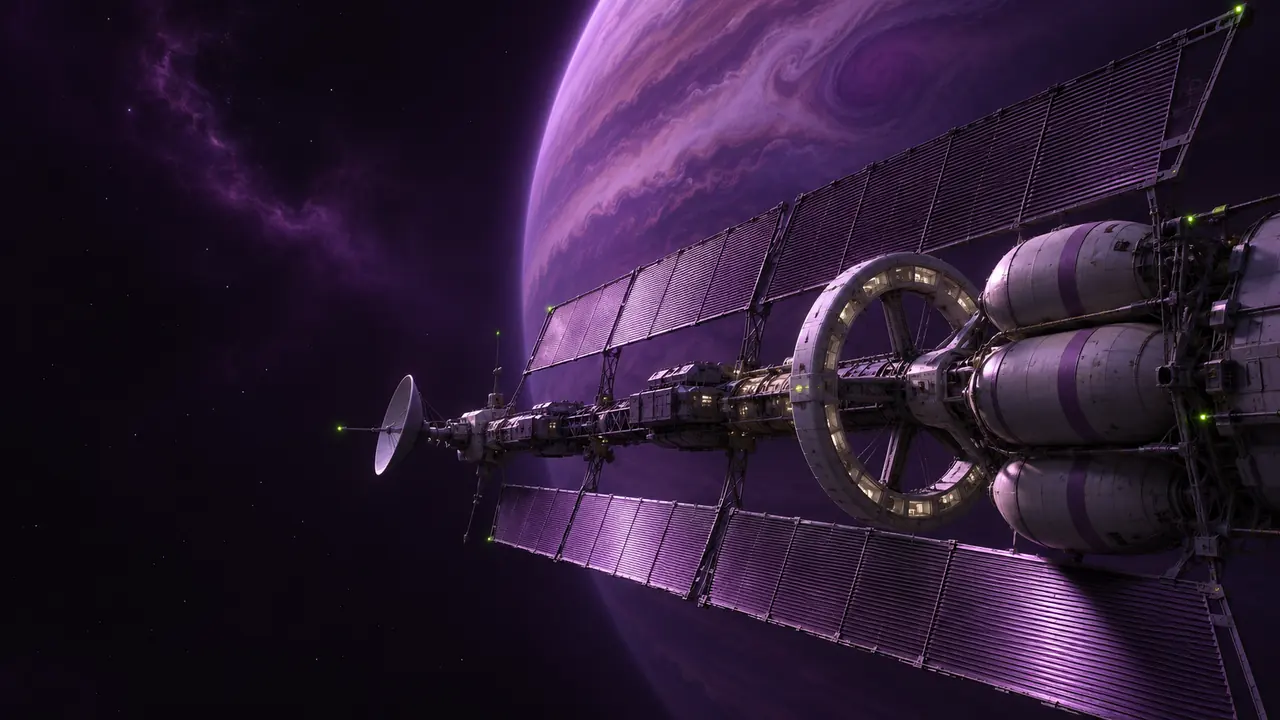
Slingshot Ledger — an encounter worth keeping
In Slingshot Ledger, a flight engineer prepares a gravity assist around Vesper while a deteriorating attitude-control assembly limits the corrections available afterward. The main decision is not simply which path reaches the destination. It is which path leaves enough usable margin for the next leg. The proposed play loop moves from observation to planning, a short commitment window, and an honest review of what the manoeuvre actually changed. Read the complete encounter study for its world, visual language and intended prototype boundary.
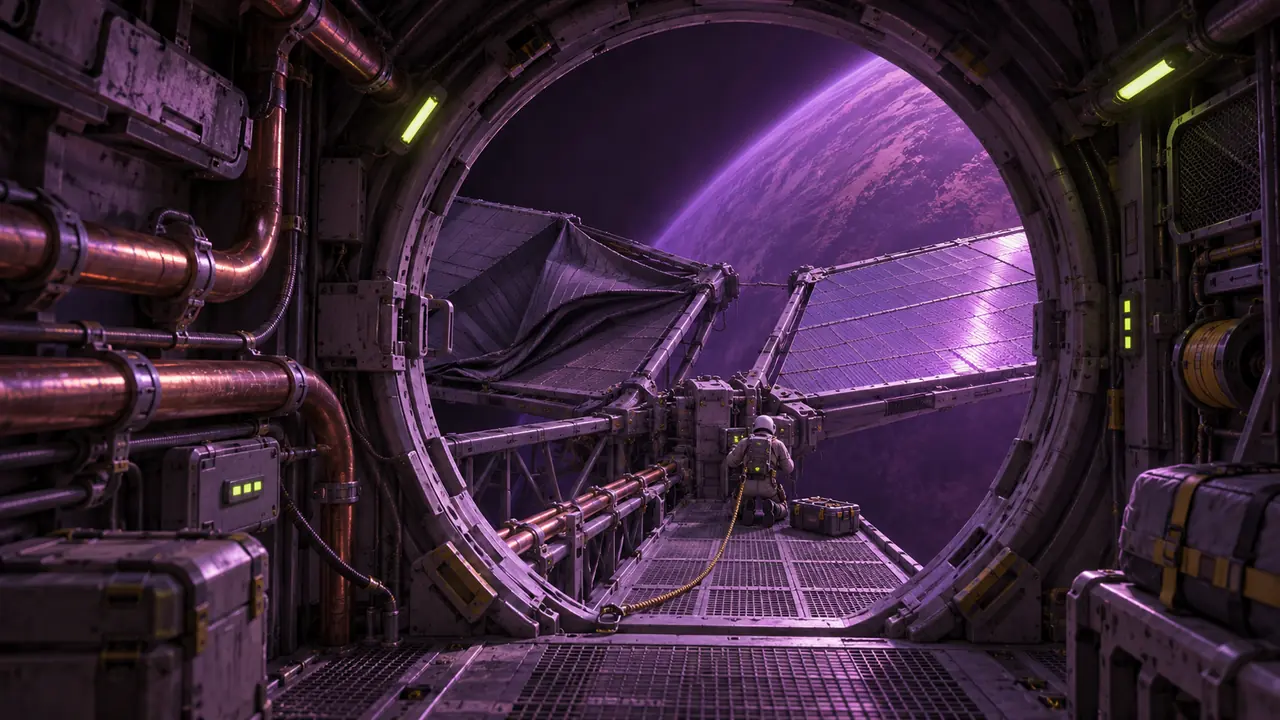
Last Radiator — choose what stays awake
Last Radiator takes place in a maintenance gallery, with the ship’s external cooling structure visible through inspection windows. A coolant fault makes electrical priorities tangible. You trace a dependency, isolate a section, and decide when to restore it without overloading the surviving loop. There is no score for turning everything off: a cold ship that cannot observe its approach has merely postponed its danger. The thermal-control concept describes the intended relationship between physical equipment and the service diagram.
Compare the consequences
Both studies use limited resources, but they ask for different kinds of attention. The encounter planner makes future geometry visible before you commit. The cooling study makes present dependencies readable before you disconnect them. Neither needs a constant stream of alerts. A quiet display can still describe a serious situation when a change has a clear location, a visible cost and a consequence you can trace. The engineering notes unpack those relationships one at a time; they are design discussions, not claims of a completed flight model.